Introduction
Princess Leonore has become one of the most fascinating young royals in Europe. Even at a young age, she continues attracting global attention because of her royal heritage, international lifestyle, and charming public image. As a member of the respected Swedish Royal Family, Princess Leonore represents a new generation of modern royalty that combines tradition with contemporary family values.
The Birth of Princess Leonore
Princess Leonore was born on February 20, 2014, in New York City. Her full name is Leonore Lilian Maria.
Her birth gained international media attention because she was born outside Sweden, something relatively uncommon for European royals. At the time, her parents were living in the United States, where they enjoyed a quieter lifestyle away from intense royal media attention.
Soon after her birth, the Swedish royal palace officially announced her arrival and confirmed her royal title. People across Europe immediately became interested in the newest member of the Swedish royal family.
Royal fans around the world frequently search for information about Princess Leonore’s age, parents, education, hobbies, and future within the Swedish monarchy. Her rare public appearances and private upbringing make her even more interesting to people who closely follow royal families.
In this complete 2026 article, we explore the untold story of Princess Leonore, including her early life, royal title, family background, personal interests, and why millions of people continue to admire her.
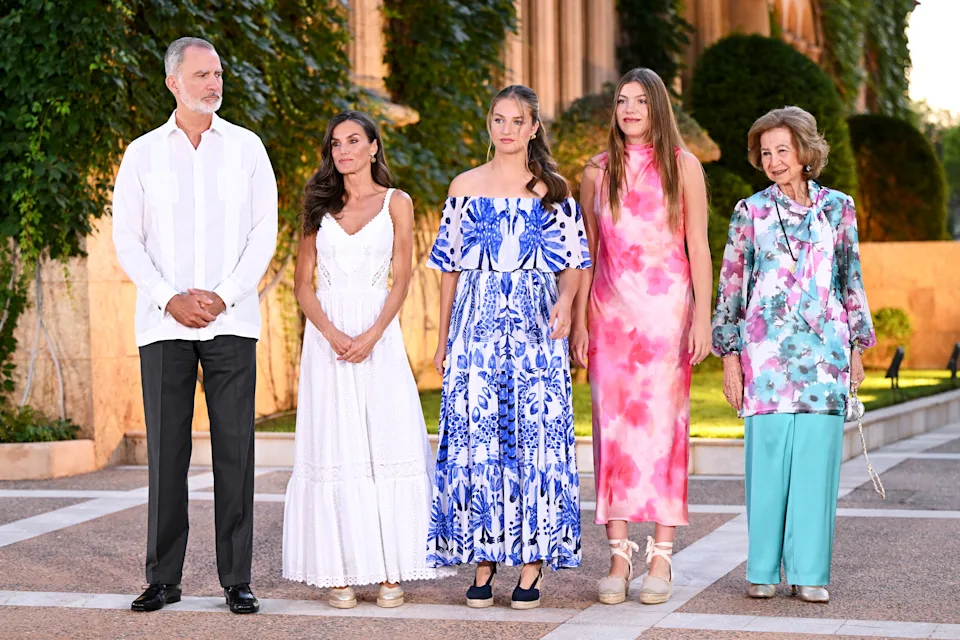
Queen Letizia has some so it’s no wonder that her eldest daughter, Princess Leonor, looks up to her royal mom in the fashion department. She recently borrowed the Spanish queen’s diamond drop earrings while also wearing a Letizia-approved power suit, and on Monday, August 4, the 19-year-old Princess of Asturias dipped into mom’s closet once again.
With Queen Margrethe II of Denmark’s unexpected New Year’s Eve declaration to abdicate the throne on January 14, following an extraordinary 52-year reign, the world is poised to witness the end of an era. As one of Europe’s longest-serving monarchs—much like her distant cousin, Queen Elizabeth II—Margrethe’s departure marks a deeply significant moment not only for Denmark but for the entire global royal sphere. Her wisdom, stability, and enduring presence have defined generations.
Although today’s reigning monarchies are largely dominated by kings, this reality is only temporary. Across Europe, the future of royalty is unmistakably female. Nations such as Sweden, Spain, the Netherlands, Belgium, and Norway are all preparing for the next generation of queens, with female heirs standing first in line to their respective thrones.
The royal landscape is therefore entering a transformative chapter—one shaped by powerful, modern women destined to lead their monarchies into a new age. Indeed, the future of royalty is not merely evolving; it is profoundly female. Long may they reign.
Crown Princess Victoria, de 46 años, es la hija mayor de King Carl XVI Gustaf y Queen Silvia. Sin embargo, tras el nacimiento de su hermano, Prince Carl Philip, en 1979, Victoria perdió temporalmente su posición como heredera al trono debido a las antiguas leyes de sucesión que favorecían a los varones.
No obstante, Suecia transformó su constitución e introdujo la primogenitura absoluta, un sistema en el que el orden de nacimiento prevalece sobre el género. Esta histórica reforma entró en vigor el 1 de enero de 1980, devolviendo a Victoria su lugar como heredera oficial después de haber permanecido siete meses en la segunda posición de la línea sucesoria.
Gracias a este cambio progresista, Victoria está destinada a convertirse en la cuarta reina reinante de Suecia y la primera mujer en ocupar el trono sueco desde 1720. Su futuro reinado simboliza una nueva era para las monarquías europeas, donde el liderazgo femenino ocupa finalmente el lugar que le corresponde.
Elisabeth Princess of Belgium
Princess Elisabeth, de 22 años, es la hija mayor de King Philippe y Queen Mathilde. En 2013, tras la abdicación de su abuelo, King Albert II, recibió el título de Duquesa de Brabante y se convirtió oficialmente en la heredera al trono de Bélgica.
Desde temprana edad, Elisabeth ha estado preparada para sus futuras responsabilidades reales. Participó en su primer acto oficial con apenas cinco años en 2006 y pronunció su primer discurso público en neerlandés en 2011, cuando tenía solo nueve años.
Con el objetivo de fortalecer su preparación como futura reina, completó formación militar y, en agosto de 2020, ingresó en la Real Academia Militar de Bruselas, donde estudió ciencias sociales y militares. En septiembre de 2023 prestó juramento como oficial y fue nombrada subteniente del Ejército belga.
Además de su formación militar, la princesa cursa estudios de Historia y Política en el Lincoln College de Oxford. También participó en el equipo de remo universitario bajo el nombre de “Elisabeth de Saxe-Cobourg”.
Elisabeth domina varios idiomas, incluyendo neerlandés, francés, alemán e inglés, y también ha estudiado mandarín. Asimismo, se distingue por su compromiso humanitario y social, mostrando un especial interés en apoyar a niños con dificultades de aprendizaje, personas mayores, personas sin hogar y ciudadanos con discapacidades.